By Shilpa Khirbat | Medical Writer & Health Blogger This is Part 3 of the Go Far, Stay Well series at The Health Explainer. Read the full series: [Part 1] | [Part 2] | Part 3
Heat Your Body
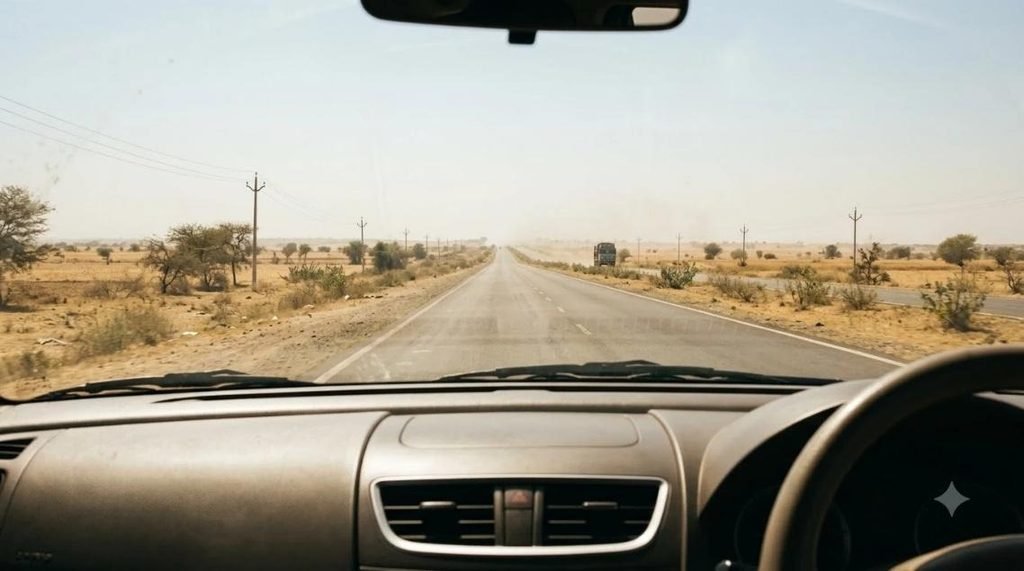
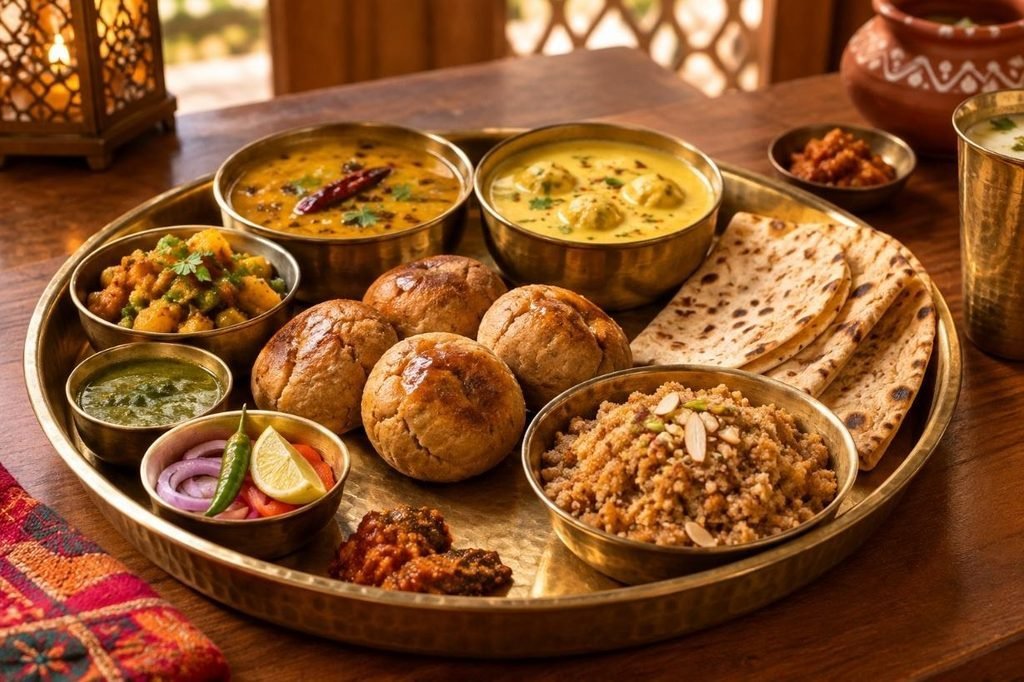
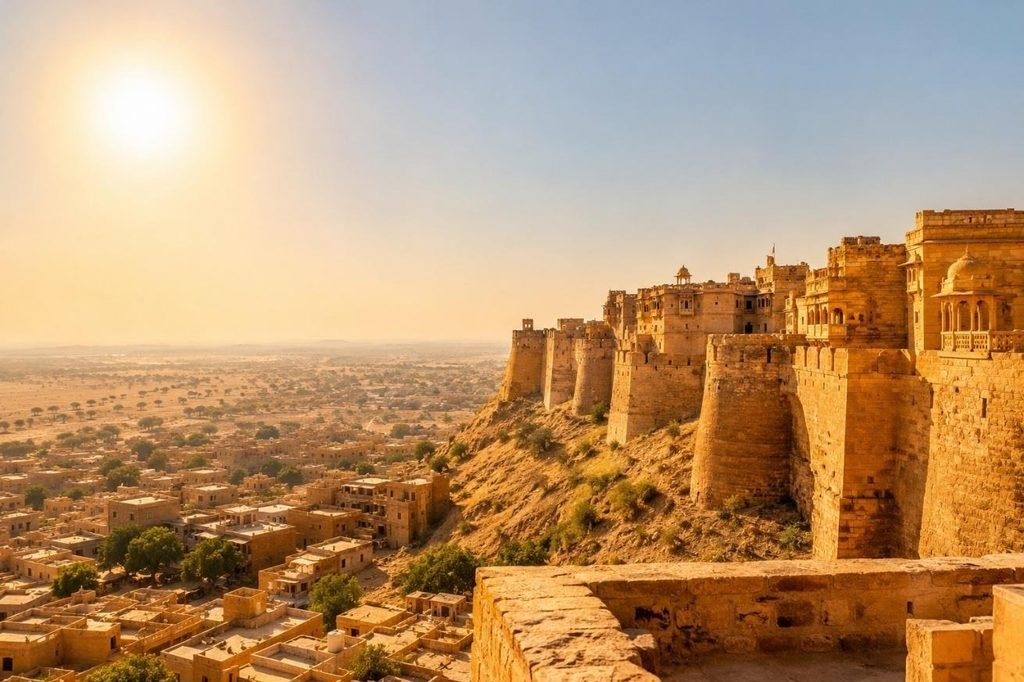
We did a 10-day road trip through Rajasthan exploring Jaisalmer, Jodhpur, Banswara, and Ranthambore. Four completely different environments in one circuit. Desert, semi-arid plains, a lake with a hundred islands, and a tiger reserve. And our bodies were adapting or trying to adapt to every single one of them.
We left Chandigarh at 22°C. Jaisalmer received us at 38°C. By noon on day one, we were back inside the hotel. By day 7 or 8, something had shifted, the family arriving at Ranthambore was physiologically better prepared for the heat than the one that stepped out in Jaisalmer on day one. Acclimatization had quietly begun.
I did not understand this biology at the time. Reading the research afterward explained everything.
The Acclimatization Gap
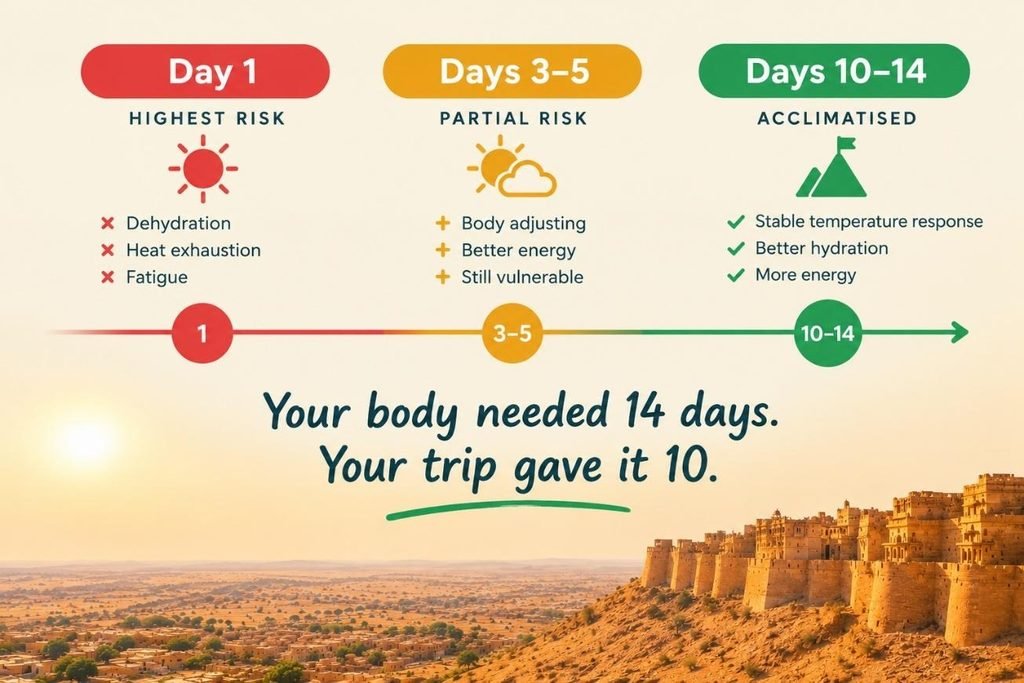
Full heat acclimatization requires at least 10 to 14 days of repeated heat exposure.1 The key adaptations, including increased blood plasma volume, earlier sweating, a higher sweat rate, and reduced cardiovascular strain, develop gradually. They cannot be achieved in a single day or even within four days.
When a family reaches Jaisalmer after a one-day drive from Chandigarh, their bodies have had no time to adapt to the heat. The first few days are the most challenging. Feeling tired, slow, irritable, or generally unwell is often the body’s response to sudden heat exposure, not a lack of effort, not the food, and not something else. It is the predictable response of human physiology.
Same State, Completely Different Heat
One of the most striking things about this circuit was the contrast between Jaisalmer and Banswara.
In Jaisalmer’s dry desert heat, sweat evaporates faster, the cooling mechanism works, but fluid loss is invisible and rapid. You do not feel as wet as you should, but your body is losing water faster than you realize. Dehydration builds silently.
Banswara, the City of Hundred Islands, sits in the sub-tropical belt of southeastern Rajasthan near the Mahi reservoir. The landscape is green; the air carries moisture from the water. When we did the boating at the Hundred Islands in the evening — after 5pm, when the heat had begun to ease — we were still in a humid microenvironment at water level. It was beautiful, but physiologically the most challenging heat environment of the entire trip.
In humid conditions, sweat cannot evaporate efficiently. The body’s primary cooling mechanism is impaired. Core temperature rises faster at the same thermometer reading. The discomfort you feel is the body communicating that cooling is struggling, same state, completely different biology.2
The Ranthambore Morning — Cortisol, Cold Dawns, and the Tiger
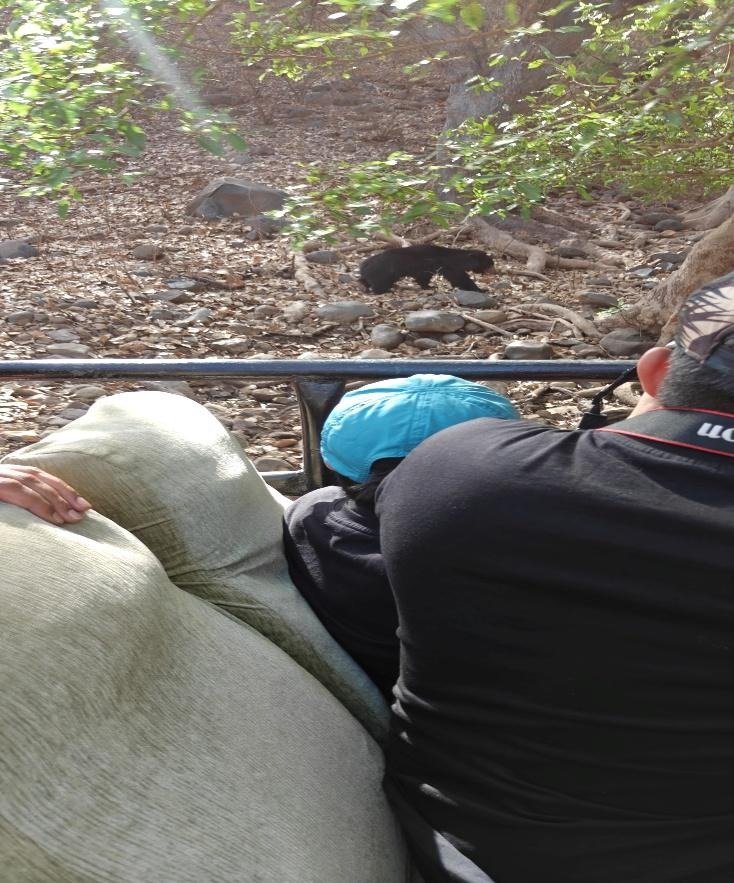
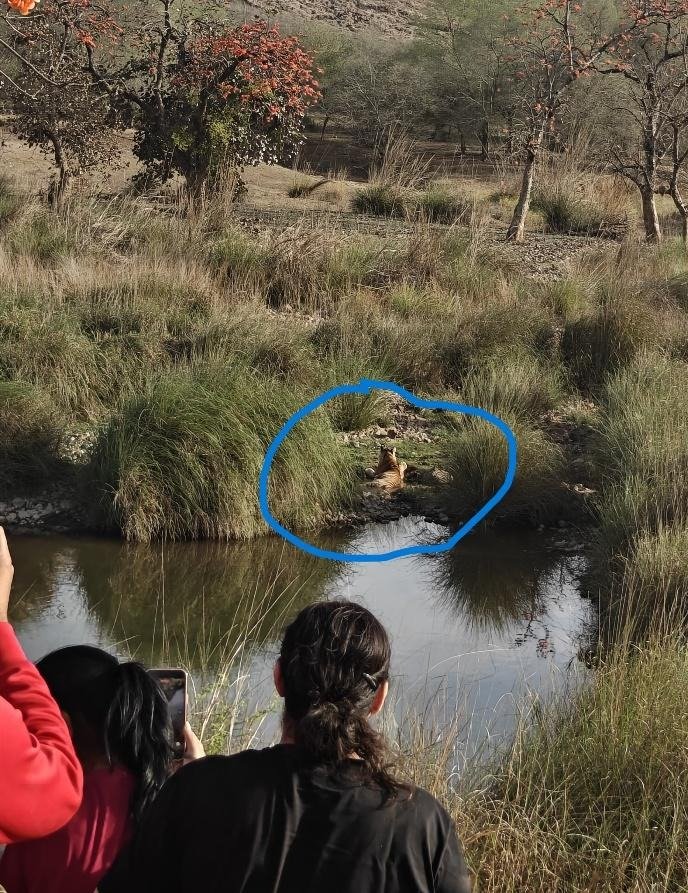
We did the 6am safari at Ranthambore. Two biology stories in one experience.
The first is thermal. Starting in 14–16°C cool forest air and watching the temperature climb 10 degrees by 8:30am is its own thermoregulatory event, you are dressed for the chill and overdressed within two hours. For children whose bodies are slower to adjust, that rapid transition is physiologically demanding.
The second is the tiger. We saw the tiger and biologically, that moment is a real adrenaline and cortisol event. Heart rate jumps and the body activate a genuine threat response, even in complete safety. The excitement of the sighting was, technically, a stress response. A wonderful one, but a stress response, nonetheless.
Notice also that the safari timing, 6amavoids the 11am to 4pm peak heat window instinctively. The forest knows the same science the research confirms.
Vector Exposure at Forest Edges and Water
Ranthambore’s forest ecosystem near the lake, and Banswara’s Mahi reservoir, create a vector exposure environment that does not exist in Jaisalmer’s desert. March in Rajasthan sees rising temperatures that activate mosquito populations, particularly at forest edges and near standing or slow-moving water.
Evening boating at the Hundred Islands after 5pm, and the dawn forest air at Ranthambore both carry a different and real risk profile. Evening boating coincides with peak mosquito activity at dusk — the coolest and most pleasant time to be on the water is also the time when protection matters most. Covered arms and legs for children at dawn and dusk, and appropriate repellent, are biologically justified responses to a genuinely different environment.3
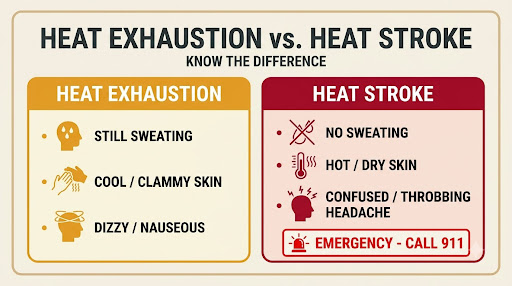
Heat illness does not always announce itself dramatically. Knowing the difference between the two main presentations can make a critical difference — especially when you are travelling with children.
Heat exhaustion is the more common and manageable form. The person is still sweating. Skin feels cool and calm. They may feel dizzy, nauseous, or have muscle cramps. Move them to shade or a cool room immediately, give oral rehydration solution, and apply cool water to the skin. Most cases are resolved within 30 minutes with prompt action.
Heat stroke is a medical emergency. The defining sign is that sweating has completely stopped. Skin becomes hot and dry. Body temperature climbs above 40°C and confusion sets in. Do not wait to see if it improves, call for medical help immediately and begin cooling the person with whatever is available while you wait.
In children, the signals can be subtler. Watch for unusual quietness, skin that feels hot to touch, rapid breathing, or a significant drop in urination. Children cannot always tell you what they are feeling, these physical signs are their body speaking for them. If you notice any of these in the heat, treat it as urgent and act immediately.
The 5pm Rule
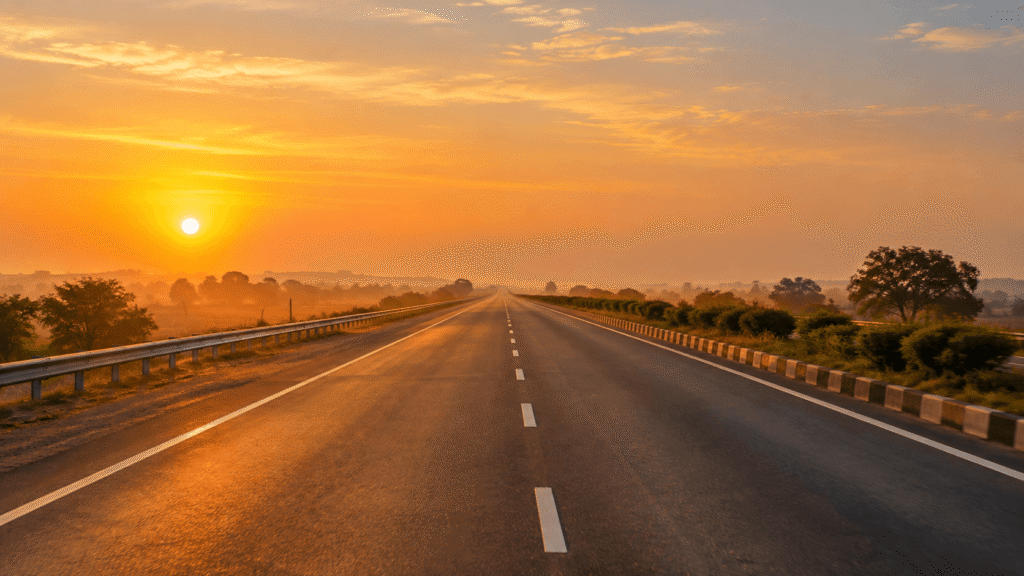
Solar radiation peaks between 11am and 4pm across India. The safari timing at Ranthambore follows the same principle, morning and evening slots only. The research on heat and cognitive performance confirms that activity timing is among the most effective strategies for unacclimatised travellers.4 Before 9am and after 5pm are your biological windows. We followed this instinctively across all four destinations. Now you know why it works.
Next in the series: Part 4 — Why You Always Get Sick After a Trip.
If this made you think differently about how your body works on the road, there is much more where this came from.
My first book, The Invisible Conversation: How Your Brain, Gut and Body Talk to Each Other, is available now on Amazon in Kindle and paperback — eleven chapters of evidence-based mind-body science written for real people, not medical professionals.
And if you travel with family in India, stay tuned. My next book, Go Far, Stay Well: The Science of Staying Healthy When You Travel in India, is coming soon — and this series is just a glimpse of what is inside.
Follow along to be the first to know when it launches.
— Shilpa Khirbat | www.thehealthexplainer.com
This post is for educational purposes and does not constitute medical advice.
References
- Deshayes TA, Sodabi DGA, Dubord M, Gagnon D. Shifting focus: Time to look beyond the classic physiological adaptations associated with human heat acclimation. Experimental Physiology. 2024;109:335–49.
- Donnan KJ, Cole E, Simpson AJ, Garrett AT. The effectiveness of heat preparation and alleviation strategies for cognitive performance: a systematic review. Temperature. 2023;10(4):404–33.
- Bhatt S, Gething PW, Brady OJ, et al. The global distribution and burden of dengue. Nature. 2013;496(7446):504–7. [Vector exposure at forest edges and water bodies in South Asia — foundational epidemiological reference.]
- Suzuki K, Nishizawa A, et al. Effects of heat exposure on the thermoregulatory responses of young children. Journal of Thermal Biology. 2023;112:103440.
Heat Your Body
Heat Your Body, Heat Your Body, Heat Your Body, Heat Your Body, Heat Your Body, Heat Your Body, Heat Your Body, Heat Your Body, Heat Your Body, Heat Your Body, Heat Your Body, Heat Your Body