Always Get Sick After a Trip
By Shilpa Khirbat | Medical Writer & Health Blogger This is Part 4 of the Go Far, Stay Well series at The Health Explainer. Read the full series: [Part 1] | [Part 2] | [Part 3] | Part 4
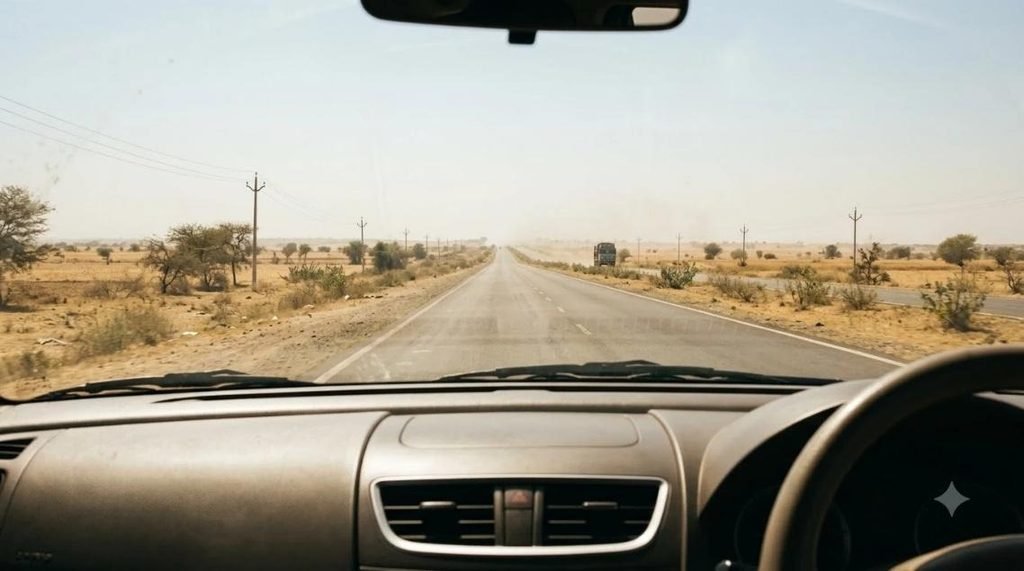
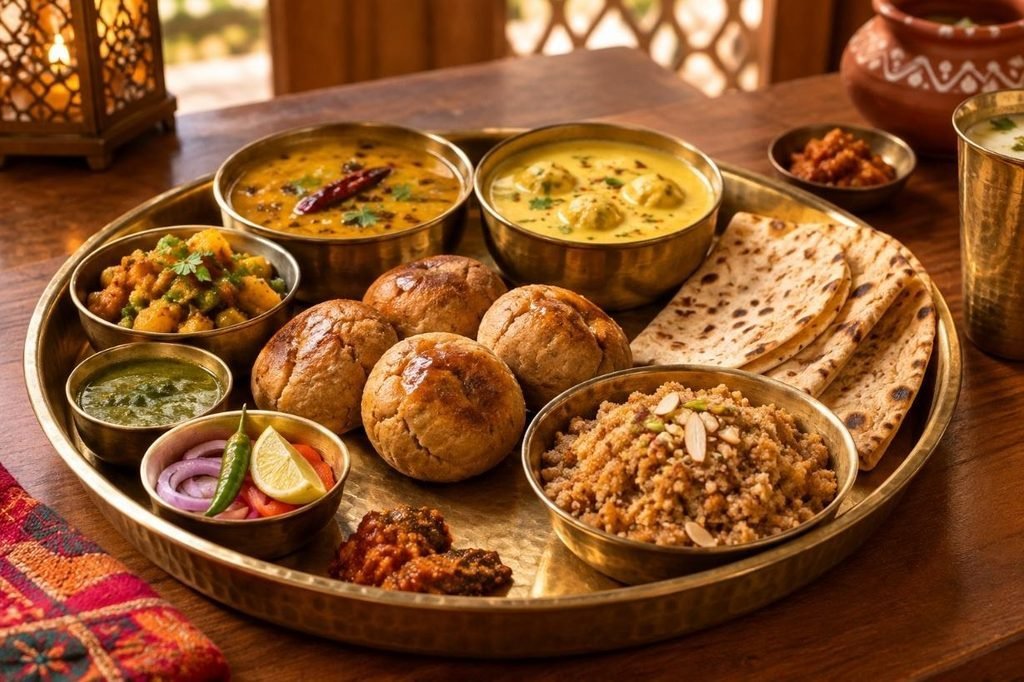
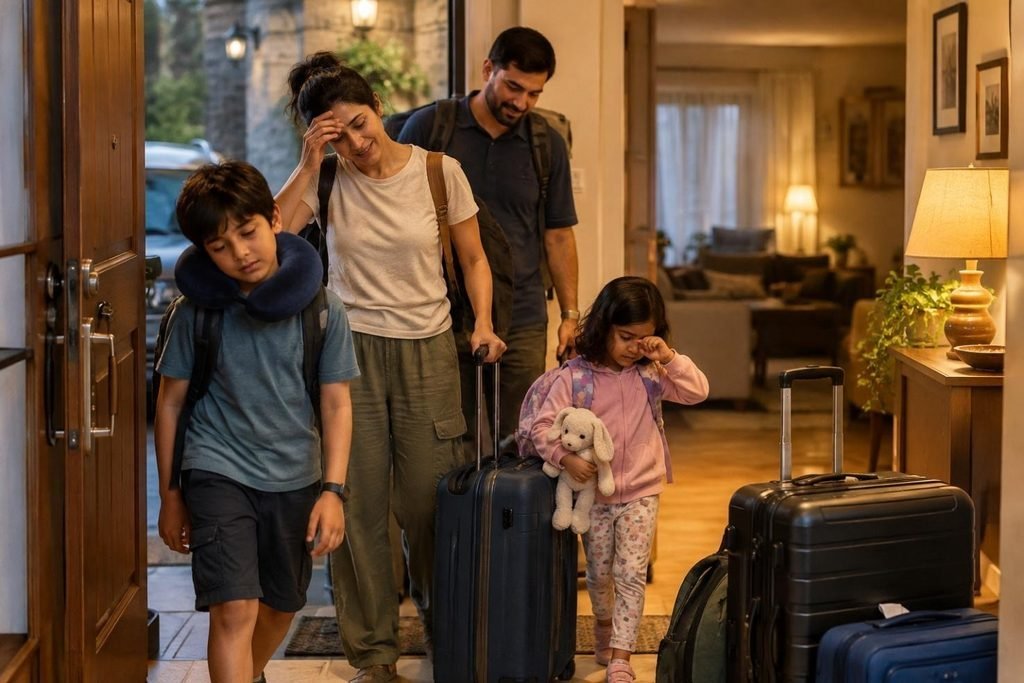
We came back from Rajasthan feeling fine. The trip had gone well, good food, great sights, the children were happy. But within a day or two of returning home, everyone was a little off. Low energy, mild restlessness, that vague unwellness that is hard to name but impossible to ignore.
I was barely back before I was unpacking, sorting laundry, and re-entering the week. The rest, I needed did not happen and the mild illness that followed was not bad luck. It was biology.
The Virus That Was Waiting
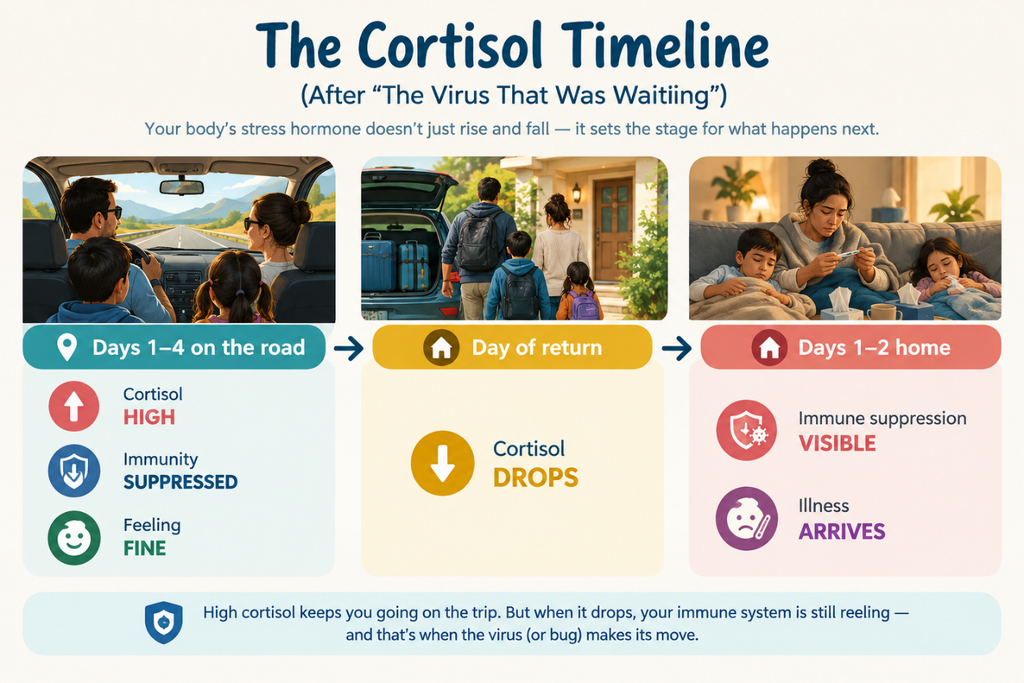
Here is what most people do not realize about post-travel illness: you often encountered the pathogen during the trip, not after it.
During a long road trip, your body runs on sustained cortisol elevation from driving stress, heat adaptation, unfamiliar sleep environments, and the considerable demands of managing children across hundreds of kilometers. In the short term, cortisol is useful, it sharpens alertness and mobilizes energy. But prolonged cortisol elevation impairs immune function, specifically reducing natural killer cell activity and the antibody responses that constitute your front-line defense against pathogens.1
While the trip is active, while you are still driving, navigating, problem-solving, the cortisol keeps you alert and functioning. The moment you return home and the demands of the journey end, cortisol begins to drop. The immune suppression that was masked by the alertness of the trip is suddenly visible. The virus that was circulating at the hotel, the petrol station, or a busy tourist site now finds a body that is no longer defended at full capacity.
This is why the illness arrives after the trip, not during it.
Sleep Debt and Natural Killer Cells
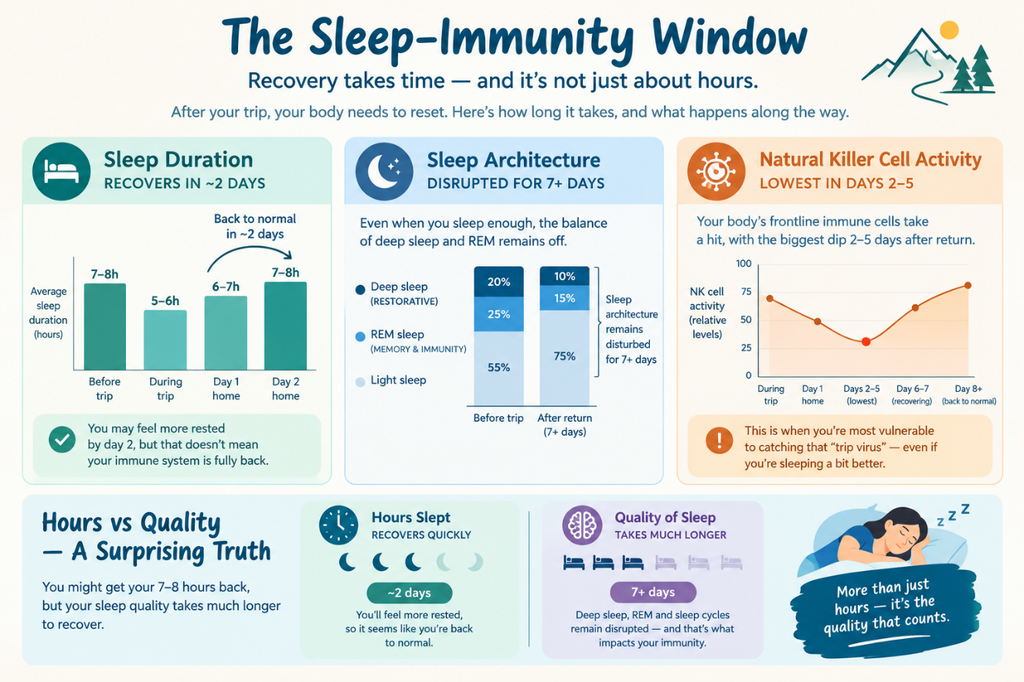
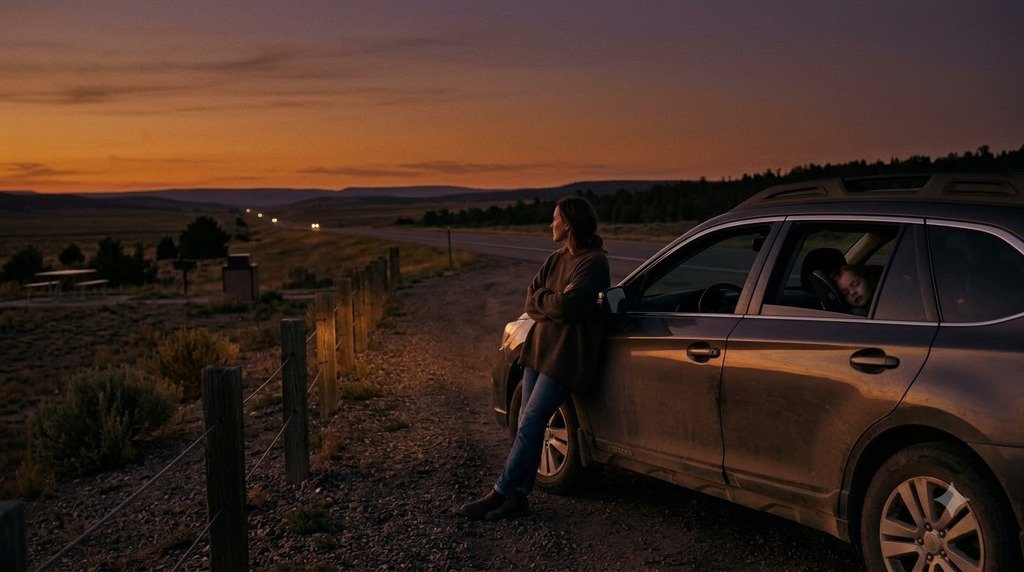
A four-day road trip rarely involves four nights of full, restorative sleep. Unfamiliar beds, children’s disrupted routines, late hotel arrivals, and early morning departures produce cumulative sleep fragmentation that accumulates quietly across the journey.
A landmark 2025 study in the journal Sleep, drawing on 1.5 million nights of wearable sleep data, found that while sleep duration recovers to near-baseline within approximately two days of travel, sleep architecture, the quality and structure of sleep stages can remain compromised for over a week.2 The damage to sleep is not just about hours lost. It is about the deep restorative sleep that the immune system depends on.
Sleep deprivation reduces melatonin, elevates pro-inflammatory cytokines including IL-6 and TNF-α, and directly reduces natural killer cell activity, the immune cells that provide the body’s first-line defense against pathogens.3 The cumulative sleep debt of the trip is presented to the immune system all at once on return. The body’s first biological priority is recovery, not defense. And in that window, susceptibility to infection is measurably higher.
The Nervous System That Does Not Switch Off
The restlessness after returning home has a neurological explanation that goes beyond tiredness.
The autonomic nervous system, specifically the sympathetic branch that drives the alert, reactive state requires four days of long-distance driving, does not return to its parasympathetic baseline the moment the car pulls into the driveway. Research on travel fatigue shows that different body systems resolve at different rates after extended travel: gastrointestinal disruptions outlast perceptual fatigue, and neuromuscular recovery takes days longer than subjective alertness.4
The parent who returns from a road trip and immediately re-enters domestic demands unpacking, cooking, preparing for the working week, is physiologically extending the sympathetic activation window rather than closing it. The body is requesting downtime that the return schedule does not provide. The mild malaise, the low energy, the inability to quite settle in the days after a long trip, is partly the body’s way of signaling, that the recovery cycle was interrupted before it was complete.
What Actually Helps — The 48-Hour Re-Entry Protocol
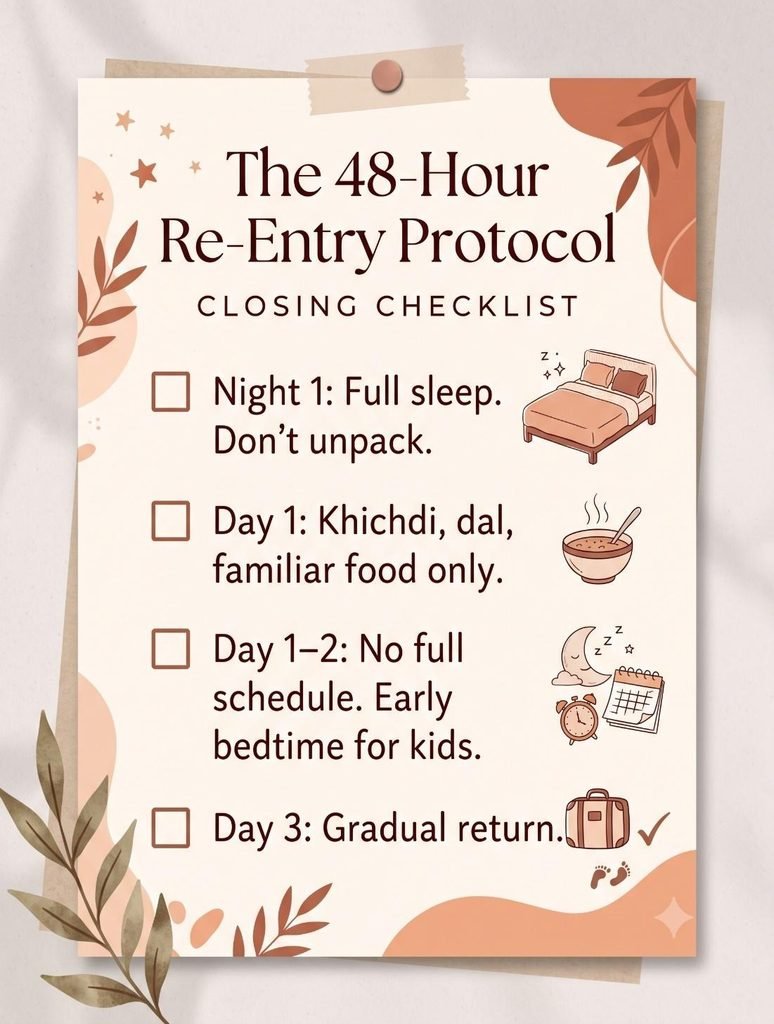
Protect the first night’s sleep: Do not unpack everything the night you return. The sleep architecture disrupted across four nights of travel needs immediate, deliberate repair and a full night of undisturbed sleep on the first night home, is more valuable than any other single intervention.
Eat simply: Following days of variable eating on the road, the gut microbiome craves familiarity. Instead of restaurant delivery or processed convenience foods, choose simple, fibre-rich home-cooked meals like khichdi, dal and fresh vegetables that support digestive recovery and overall wellbeing.
Rest before you resume. Give yourself and your children 48 hours of reduced activity before re-entering full schedules. Children’s immune systems are less experienced than adults’; their natural killer cell function is more vulnerable to sleep debt, and the mild illness of the days after a trip shows up in them first and most obviously.
Do not suppress the signal. A mild sense of fatigue after travel is your body’s way of signalling that it is still completing its recovery cycle. Rather than pushing through and jumping straight back into work, pay attention to what your body is telling you: it needs rest, not more demands. When you give yourself permission to slow down, recovery happens more efficiently. In fact, two days of deliberate rest after a long trip can shorten the overall recovery period rather than prolong it.
Next in the series: Part 5 — Sleep Anywhere, Wake Up Human: the science of sleeping well in unfamiliar places, and why the first night away is almost always the hardest.
If this made you think differently about how your body works on the road, there is much more where this came from.
My first book, The Invisible Conversation: How Your Brain, Gut and Body Talk to Each Other, is available now on Amazon in Kindle and paperback — eleven chapters of evidence-based mind-body science written for real people, not medical professionals.
And if you travel with family in India, stay tuned. My next book, Go Far, Stay Well: The Science of Staying Healthy When You Travel in India, is coming soon — and this series is just a glimpse of what is inside.
Follow along to be the first to know when it launches.
— Shilpa Khirbat | www.thehealthexplainer.com
This post is for educational purposes and does not constitute medical advice.
References
- Shashikumar N, et al. Investigating the relationship between cortisol, a stress marker, and immune function across age and gender. Cureus. 2024. PMC12205267.
- Cheng P, Walch OJ, Goldstein CA, et al. Insights about travel-related sleep disruption from 1.5 million nights of data. Sleep. 2025;48(7):zsaf077.
- Pereira MM, et al. Melatonin as the missing link between sleep deprivation and immune dysregulation: a narrative review. Nutrients. 2025. PMC12296019.
- Gupta L, et al. Jet lag and travel fatigue effects on performance after long-haul transmeridian travel. Frontiers in Sports and Active Living. 2026. doi:10.3389/fspor.2026.1745296.
Always Get Sick After a Trip, Always Get Sick After a Trip, Always Get Sick After a Trip, Always Get Sick After a Trip, Always Get Sick After a Trip, Always Get Sick After a Trip, Always Get Sick After a Trip, Always Get Sick After a Trip, Always Get Sick After a Trip, Always Get Sick After a Trip, Always Get Sick After a Trip, Always Get Sick After a Trip, Always Get Sick After a Trip, Always Get Sick After a Trip